

Wedding DJ Timeline: From Ceremony to Last Dance
Planning a wedding involves a lot of moving parts, but the timeline…
Planning a wedding involves a lot of moving parts, but the timeline is what keeps everything from feeling rushed, awkward, or disorganized. A well-built wedding DJ timeline is the difference between a smooth, stress-free day and one that feels choppy or out of sync.
Your DJ isn’t just there to play music. An experienced wedding DJ helps structure the entire flow of the day: ceremony cues, announcements, transitions, and pacing so every moment happens at the right time and the dance floor actually stays full.
At Adagio Djay Entertainment, we work with couples across Minneapolis and St. Paul to build custom timelines that match their vision and keep the energy right all night. Contact us today to start planning your dream wedding playlist and bring your celebration to life with the power of music.
Your wedding day has emotional moments, formal traditions, and party time, all competing for space. Without a clear timeline, things slip:
A DJ-built timeline solves this by:
This is where experience matters. Timing isn’t guesswork, it’s learned.
When you sit down with your wedding DJ to create your timeline, there are several non-negotiable moments to include. These are the key events that structure your wedding reception and create lasting memories.
Thinking through the order of events ahead of time ensures a seamless flow. You want to group formalities together so that once the dance floor opens, the party can continue without interruption. Discussing this with your DJ helps you find the right time for everything without feeling rushed.
Here are the essential moments to schedule on your wedding timeline:
You don’t have to start from scratch when creating your DJ schedule. Many DJs provide a template or form to help you organize your thoughts and preferences. Using a template makes it easy to visualize the flow of your wedding day and ensure you haven’t forgotten any important moments. It acts as a shared guide for you, your DJ, and other vendors.
These tools allow you to map out everything from ceremony music to the last dance. You can specify song choices for the grand entrance, first dance, and other formalities, and note who will be giving toasts. This level of detail helps your DJ run the event smoothly.
Here’s a realistic sample timeline many Twin Cities weddings follow:
| Event | Time | DJ Role |
| Guest Arrival & Prelude Music | 4:00 PM | Background music |
| Ceremony Begins | 4:30 PM | Processional & recessional cues |
| Cocktail Hour | 5:00 PM | Upbeat but conversational music playlist. |
| Grand Entrance | 6:00 PM | Announce wedding party |
| First Dance | 6:05 PM | Spotlight moment |
| Toasts | 6:25 PM | Introductions + mic control |
| Dinner | 6:45 PM | Low-key background music |
| Open Dancing | 7:35 PM | Dance floor opens |
| Last Dance | 11:00 PM | Final group moment |
Your timeline doesn’t have to look exactly like this but this gives you a strong starting point.
This is where good DJs quietly shine.
Your DJ manages volume, pacing, and announcements so the night builds momentum instead of stalling.
For the ceremony to run smoothly, your DJ needs a clear list of cues. These are the specific moments in the order of events when a song needs to change or an announcement must be made. Providing your DJ with this information ahead of time is one of the most important steps in coordinating your ceremony.
Think of your DJ as the stage manager for these formalities. They need to know the exact moment to start the processional music, when to transition to the bride’s entrance song, and when to play the triumphant recessional track. Without these cues, you risk awkward silences or musical mishaps during your ceremony’s most important moments.
To ensure your DJ is prepared, give them a list of key cues, including:
The cocktail hour is the official start of the party, and your DJ is in charge of creating a fun, social vibe. The music during this time should be upbeat enough to feel celebratory but not so loud that guests can’t chat and mingle. It’s the perfect soundtrack for sipping drinks and catching up with friends and family.
Your DJ will curate a playlist that bridges the gap between the formal ceremony and the high-energy dance party to come. This is a great time to include some of your favorite artists or genres that might not be suited for the main dance floor. The goal is to keep the energy up while you and your wedding party are busy with photos.
To set the right tone, your DJ will:
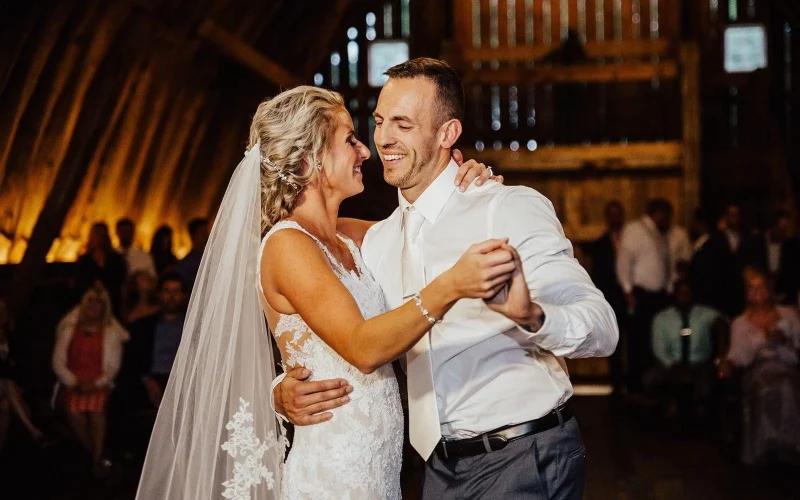
Special dances are cherished traditions that deserve their own spotlight. Your DJ, acting as the MC, plays a vital role in making these moments feel significant. By making clear announcements, they can gather your guests’ attention for events like your first dance as a married couple and the parent dances.
These announcements help create the right vibe, telling everyone it’s time to watch, celebrate, and maybe even shed a happy tear. Your DJ will work with you to decide the best order for these dances, often grouping them together after dinner to transition smoothly into the open dance party. This keeps the energy flowing without constant interruptions.
Your DJ should be prepared to announce and highlight:
The best timelines aren’t downloaded, they’re built together. At Adagio Djay Entertainment, couples don’t just fill out a form and hope for the best. We:
That’s how weddings stay fun, relaxed, and on track.
A strong wedding DJ timeline keeps your day organized without feeling rigid. When music, announcements, and transitions are planned correctly, you get to enjoy the day instead of managing it. If you’re planning a wedding in Minneapolis, St. Paul, or the surrounding Twin Cities, Adagio Djay Entertainment can help you build a timeline that works and a dance floor your guests won’t leave.
Contact us today for a quote and let’s build a wedding timeline that actually works.


© 2026 Adagio Djay Entertainment. All Rights Reserved. Privacy Policy | Admin
Web production by KramerDigital


