

Corporate Event & Holiday Party DJs in Minneapolis: What to Know Before You Book
Planning a corporate event takes more than booking a venue and sending…
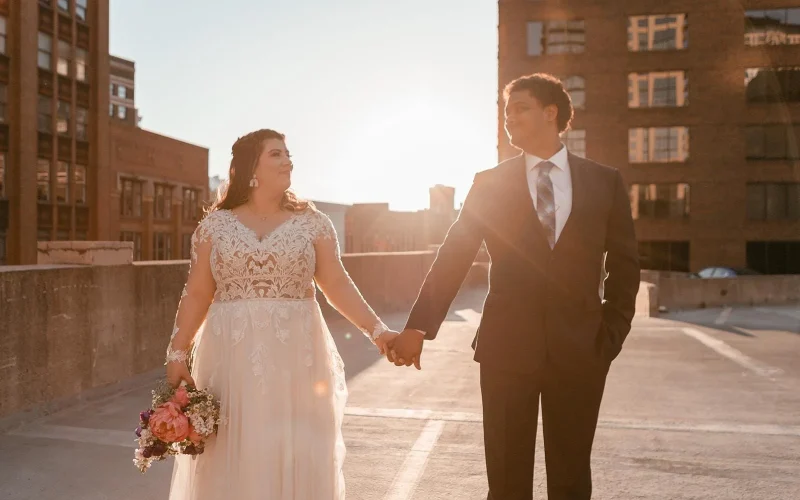
Most couples start with the same question: how much should a wedding DJ actually cost? In Minneapolis, the range is wide, and not all of it is equal. You’re not just paying for someone to play music. You’re paying for the person responsible for timing, energy, and whether your night flows smoothly or falls apart. A professional DJ doesn’t just show up with speakers. They manage transitions, coordinate with vendors, and read the room in real time to keep your guests engaged from the first song to the last.
This guide breaks down what wedding DJs actually cost in the Twin Cities, what drives pricing, and what you’re really getting for your investment. The cost of wedding DJ services can vary based on experience, equipment, and how personalized you want your music to be. That’s where Adagio Djay Entertainment can help. If you’re planning a wedding in Minneapolis or St. Paul, Minnesota, contact us today to start planning your dream wedding playlist and create memories that will last a lifetime.
In the Twin Cities, most couples spend between $1,500 and $4,500 for a professional wedding DJ. You’ll see options below that, and well above it, but that range is where experienced, reliable DJs typically fall. Lower pricing often means limited experience, fewer planning tools, or no backup systems. Higher pricing usually reflects years of experience, strong reviews, and a more structured planning process.
Your final price depends on a few key variables:
If you’re comparing quotes, the real question isn’t just “how much”, it’s what level of control and confidence you’re getting for your wedding day.
A wedding DJ isn’t just there for the reception. Most spend 10–30 hours preparing for your event before they ever arrive.
That includes:
You’re also paying for professional-grade equipment, backup systems, and the ability to handle unexpected issues without disrupting your event. The difference between an average DJ and a great one is how little you have to think about the music once your wedding day starts.
Your wedding’s location is one of the biggest factors influencing DJ prices. The cost of living and demand for services in a particular area directly affect the average price you’ll pay. DJs in major metropolitan areas typically have higher rates than those in smaller towns or rural locations.
This variation in cost is due to higher operational expenses in cities, such as office rent and marketing. More experienced DJs with a strong reputation in a competitive market can also command higher fees.
Here’s a general breakdown of what you might expect to pay for DJ services based on location, not including extras like lighting:
| Location Type | Average Price Range |
| Larger Cities/Metropolitan Areas | $1,500 – $5,000+ |
| Smaller Cities | $1,400 – $3,500 |
| Rural Areas | $1,500 – $3,000 |
If you’re seeing quotes under $1,000, something is usually missing, whether that’s experience, preparation, or reliable equipment. On the other end, higher-end DJs typically bring a more refined planning process, stronger coordination, and the ability to manage the entire flow of the night, not just the music.
That difference becomes very noticeable once your wedding actually starts.
Not all DJs operate at the same level, and pricing reflects that. Two quotes can look similar on paper but deliver completely different experiences on your wedding day. The biggest factors that impact pricing are experience, timing, and how much responsibility the DJ takes on beyond just playing music.
A DJ’s experience level, for example, plays a huge role. A seasoned pro with a stellar reputation will naturally charge more than someone just starting. Now, let’s look closer at how your venue’s location, your chosen date, and your DJ’s reputation can affect the final price.
Where you get married within the Twin Cities area can impact pricing. In Minneapolis and St. Paul, most DJs fall within a consistent range. However, as you move into surrounding suburbs or more rural areas, pricing can shift depending on travel, setup logistics, and venue requirements. Local experience also plays a role, especially in Twin Cities venues.. Local experience also plays a role. DJs who regularly work Twin Cities venues tend to operate more efficiently and anticipate venue-specific challenges, which can impact overall value more than just price alone.
In smaller cities and suburban areas, the average cost tends to be slightly lower. DJs in these regions have fewer overhead expenses, and the market may be less competitive, which can translate to savings for you.
If your wedding is in a rural area, you might find even lower base prices. However, be mindful of potential travel fees. If a DJ has to travel a considerable distance to your venue, they will likely add a charge to cover their time and transportation expenses, which could increase the overall cost.
Your wedding date is a major factor in determining your DJ’s rates. Saturdays during the peak wedding season, which typically runs from late spring through early fall (May to October), are the most sought-after dates. Because demand is so high, DJs can charge their highest prices these days.
If you have flexibility, you can find a better price range by choosing an off-peak date. Weddings held on Fridays, Sundays, or even weekdays are often less expensive. DJs are more likely to offer discounted rates for these days since they are in lower demand.
Similarly, getting married during the off-season, from November to April, can lead to significant savings. Booking outside of the peak season is a smart way to get top-tier talent without the premium price tag.
A DJ’s experience level and reputation are directly tied to their cost. A highly sought-after professional DJ with years of experience and a long list of glowing reviews will command higher rates. You’re paying for their proven ability to manage an event, read a crowd, and handle any unexpected issues with professionalism.
Experienced DJs bring more than music, they manage timing, coordinate with vendors, and control the overall flow of the night. Their expertise ensures a seamless flow from the first dance to the final send-off. This reliability and peace of mind are often worth the higher investment for many couples.
On the other hand, a newer DJ might offer a lower price, but this can come with risks. While it’s a way to save money, it’s important to verify their skills and professionalism. Always check for reviews or ask for testimonials to ensure they are the right fit for your special day.
Most professional DJs offer structured packages that cover your entire event, not just a few hours of music. At a minimum, you should expect planning support, full event coverage, and the equipment needed to run everything cleanly from start to finish.
A professional wedding DJ provides comprehensive services that go far beyond just playing music on your wedding day. A significant portion of their work happens before the event during the preparation phase. This involves consultations with you to understand your musical tastes, special requests, and the overall vibe you want to create.
They will carefully curate playlists for every part of your celebration, from the ceremony to the cocktail hour and the reception dance party. A key part of their DJ services is also acting as the Master of Ceremonies (MC), where they guide the flow of events and keep your guests engaged.
Standard performance services usually include:
A key part of what you’re paying for is the professional-grade audio equipment your DJ brings. Experienced DJs and reputable DJ companies invest heavily in their gear to ensure crystal-clear sound throughout your wedding venue. The last thing you want on your big day are technical difficulties or poor sound quality during speeches or your first dance.
Most DJs bring their own equipment, which eliminates the need for you to source it separately. They will have everything needed to create the perfect soundscape for your event, including all necessary cables and connectors to integrate with your venue’s systems.
You can typically expect a DJ to provide:
Here are the most common add-ons couples choose:
These additions are focused on improving flow, atmosphere, and execution, not just adding extras.
For most Twin Cities weddings, the decision comes down to budget, flexibility, and how you want the night to feel. A DJ gives you continuous music, a broader range of songs, and more control over the flow of the evening, typically at a much lower cost than a live band.
Beyond the difference in DJ prices, it’s important to think about the atmosphere you want to create. A live band offers a unique energy, but a DJ provides versatility. Let’s compare the price differences and explore how each choice impacts your guests’ experience.
The most significant difference between a DJ and a live band is the price. A live band is typically more expensive because you’re paying for multiple musicians, more complex equipment, and their collective talent. A wedding DJ, being a single individual, naturally has a lower price point.
While a wedding band can bring a fantastic live performance energy, a DJ offers greater value in terms of musical variety. A DJ has a virtually limitless library of songs and can play the original versions of your favorite hits, which is something a band cannot replicate. For your wedding reception, a DJ can often provide a more diverse and customizable soundtrack for a fraction of the cost.
Here’s a look at the average price comparison:
| Entertainment Type | Average Price Range |
| Wedding DJ | $2,100 – $5,500 |
| Live Wedding Band | $6,000 – $12,000+ |
This difference in the price range makes the wedding DJ cost a much more accessible option for many budgets.
The choice between a DJ and a band goes beyond just cost; it shapes the entire atmosphere of your wedding. A live band brings a dynamic, concert-like energy that can be very engaging. However, they have a specific style and a limited repertoire, and they require breaks, which can interrupt the flow of music.
A DJ, on the other hand, offers non-stop music and incredible versatility. They can seamlessly transition between genres to suit every moment, from mellow background music during the cocktail hour to high-energy hits that will pack the dance floor. This ability to cater to a wide range of musical tastes ensures a better guest experience for everyone.
Ultimately, a DJ can read the room and adjust the music in real-time to match the energy of your guests. This adaptability is key to keeping the celebration going all night long and creating a personalized, memorable atmosphere that reflects your unique style as a couple.
Most DJ quotes include the core services, but there are a few areas where additional costs can come into play. Knowing these upfront helps you avoid surprises and makes it easier to compare options accurately.
Understanding these possible expenses ahead of time is crucial for staying on budget. From overtime for an additional hour of partying to gratuity, let’s cover the common extra costs you should discuss with your DJ before signing a contract.
Your DJ contract is a crucial document that protects both you and your vendor. Before you sign, read through all the contract clauses carefully to ensure you understand every detail. Pay close attention to the payment schedule, cancellation policy, and what is explicitly included in the fee.
Reputable DJ companies will have a clear and comprehensive contract. One of the most important things to look for is a backup plan. The contract should state what happens if the DJ becomes ill or has an emergency and cannot perform at your wedding. It should also mention their policy on equipment failure.
Here are a few key clauses to look out for:
A good DJ is one of the most important investments you’ll make for your reception. If the music and flow are off, people notice. Most couples allocate around 6–7% of their total wedding budget to entertainment, which typically aligns with hiring an experienced DJ in the Twin Cities.
Knowing your budget helps you narrow down your options and compare options effectively. By planning ahead and being strategic, you can manage the total cost and still get the perfect soundtrack for your big day.
Creating a specific budget for your DJ is the first step toward finding the best fit for your wedding. Start by determining the overall percentage of your wedding budget you want to allocate to entertainment. From there, you can research DJ costs in your area to see if your budget aligns with the local price points.
Get quotes from several different DJs to get a sense of the market. This will help you understand what you can expect for your money and identify what services are most important to you. Be prepared with a list of questions to ask each potential DJ, covering everything from their experience to what’s included in their packages.
To build your DJ budget effectively, follow these steps:
Your DJ plays a bigger role than most couples expect. They’re not just controlling the music, they’re managing the pace, the energy, and how your entire night feels. If you’re planning a wedding in Minneapolis or St. Paul, working with an experienced DJ means fewer surprises, smoother transitions, and a packed dance floor when it matters most.
If you want a team that understands how to run a wedding, not just play music, reach out to Adagio Djay Entertainment to check availability and start planning your day. Contact us today for a quote and start your celebration the perfect way.


© 2026 Adagio Djay Entertainment. All Rights Reserved. Privacy Policy | Admin
Web production by KramerDigital


